vigo di fassa
vigo di fassa

Vigo di Fassa

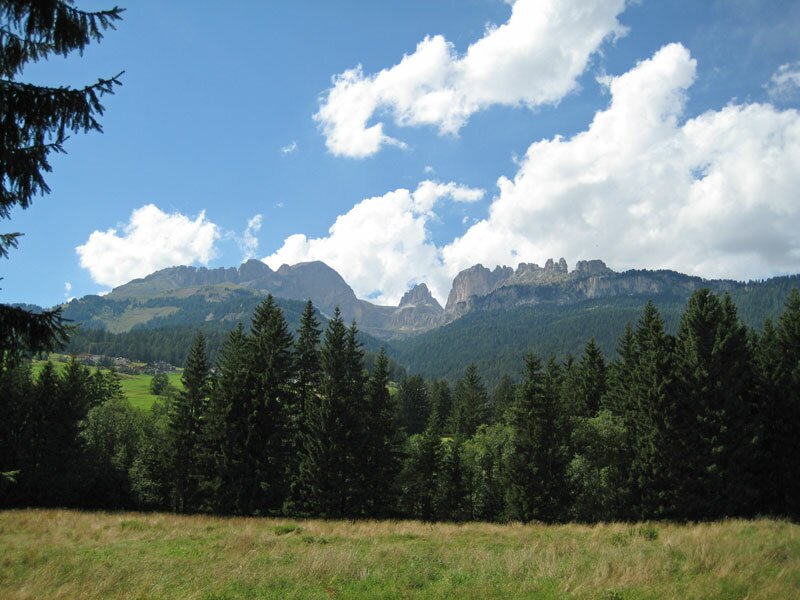
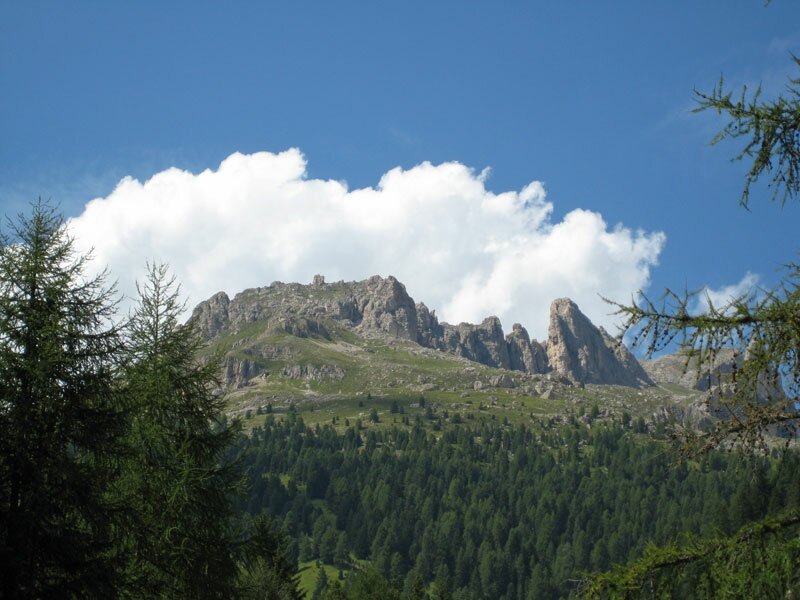
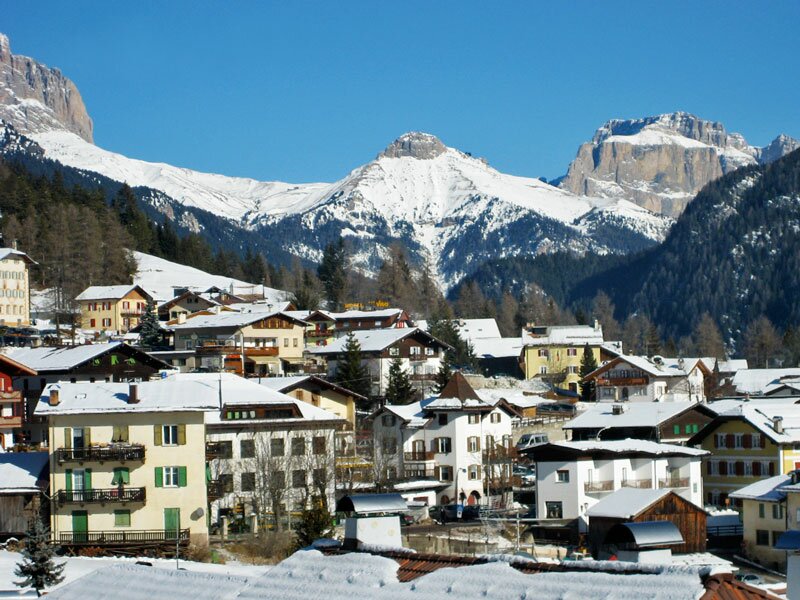
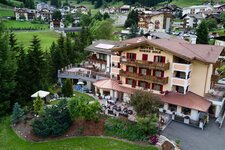
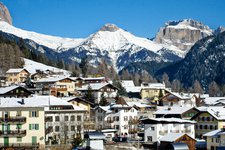
Vigo is situated in the centre of the valley at the foot of the Catinaccio. It is known for being one of the most beautiful villages of Italy

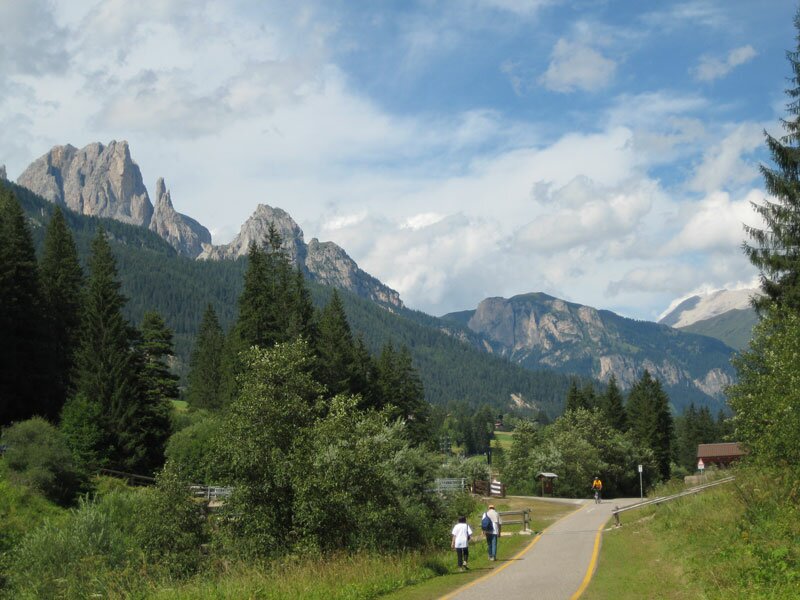
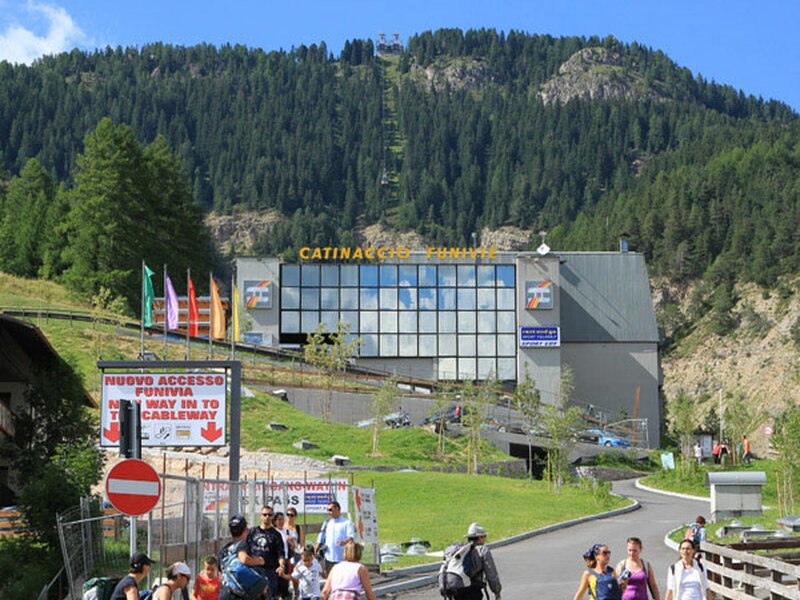
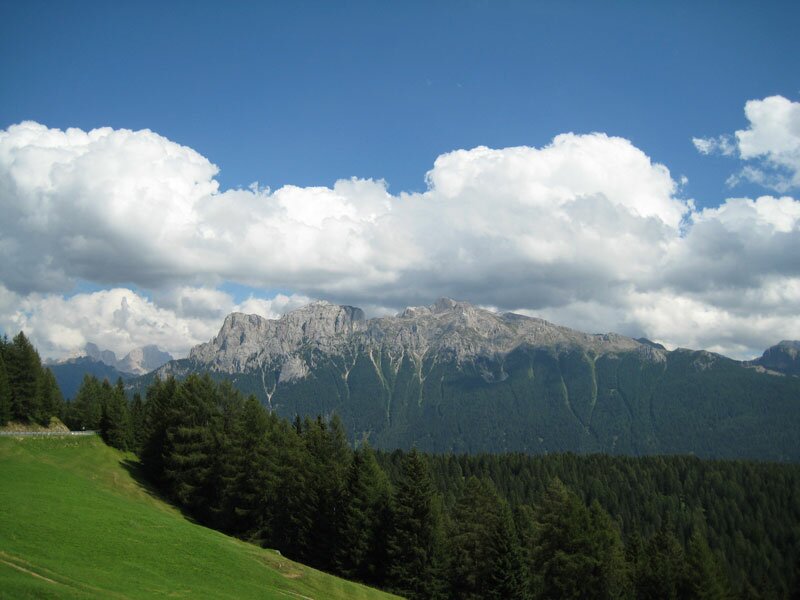
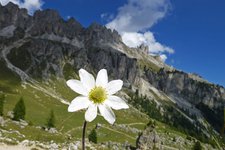
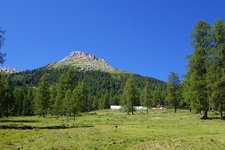
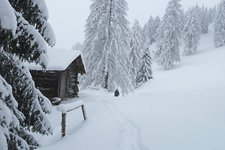
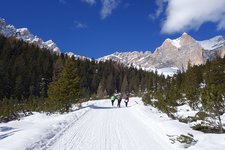
Vigo di Fassa (Vich de Fascia in Ladin) is a former autonomous municipality which became a hamlet of the municipality of San Giovanni di Fassa - Sèn Jan in 2018. The village is overlooked by the Undici and Dodici peaks, the Sella, the Marmolada, and by the Catinaccio, Sassolungo and Latemar groups which offer a wide range of hiking and ski mountaineering paths, as well as vie ferrate. With a modern cable car starting in the village of Vigo di Fassa you can reach the panoramic terrace of the Ciampedie at 2,000 metres of altitude which delights you with stunning panoramic views of the surrounding mountains and the Pale di San Martino. We recommend undertaking hikes in the side valleys San Nicolò, Monzoni and Val d'Anna where you can taste local cheeses like the Cher de Fascia and the *Puzzone di Moena DOP along with a glass of Teroldego Rotaliano, a typical wine. A famous traditional dish is cajoncie da fighes, that is, ravioli filled with figs. Winter sports lovers can find numerous skiing areas and cross-country ski tracks.**

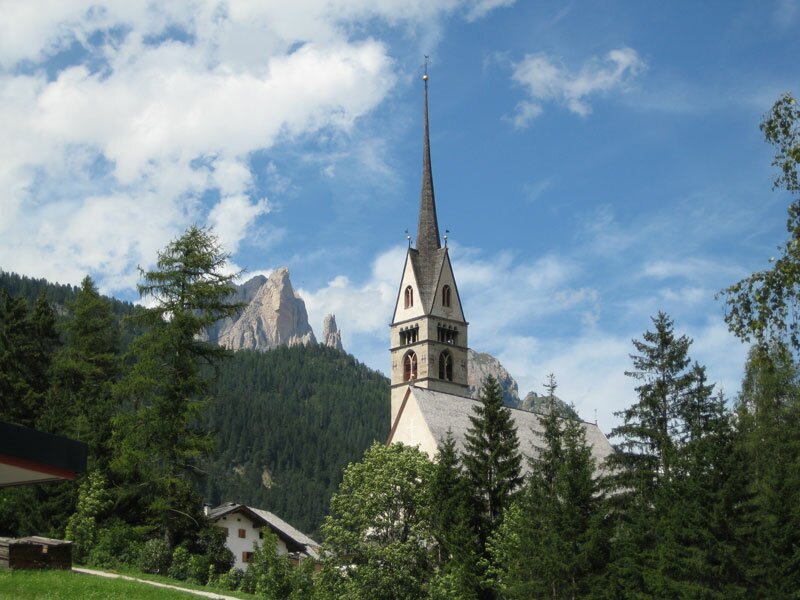
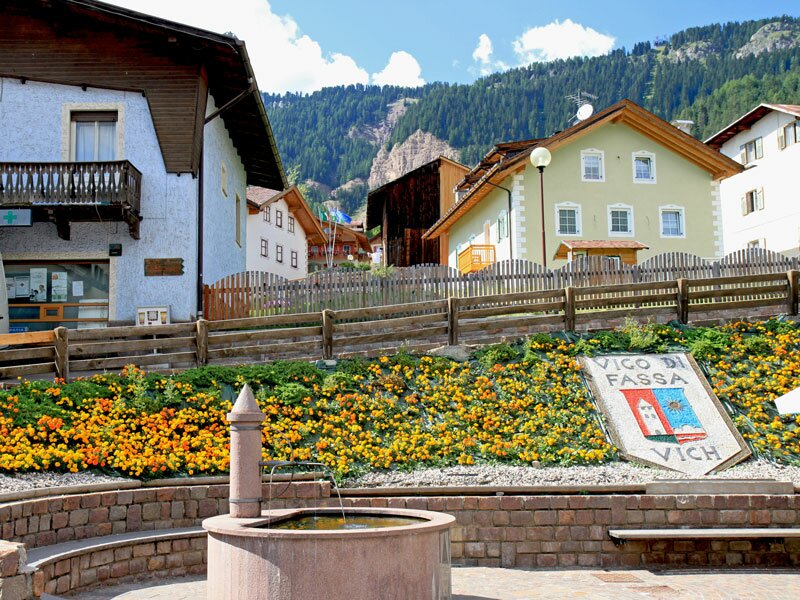
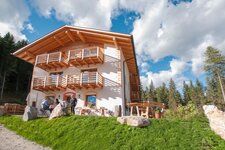
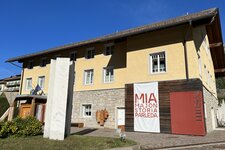
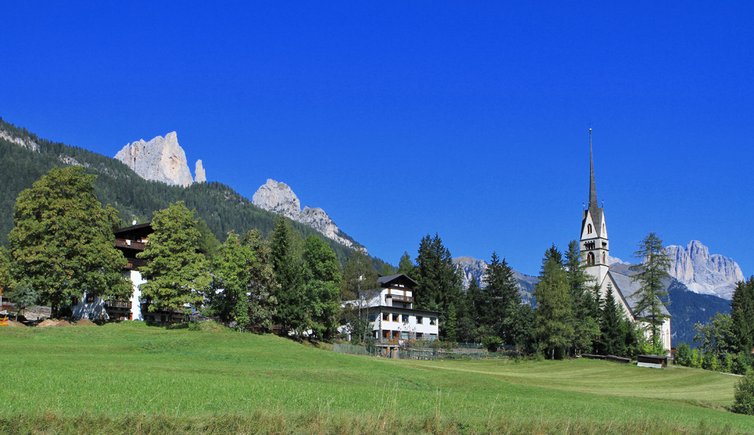
The historic centre is composed of typical Ladin houses with wooden balconies and gravel paths. Culture lovers should definitely visit the museums in the centre: the Museo Ladin de Fascia which houses interesting ethnographic collections by the Ladin culture institute, the Monzoni mineralogical museum exhibiting one of the largest collections of Dolomite minerals. The Vigo di Fassa parish church with its 67-metre high shingled steeple in dark Larch wood used to be the mediaeval and historic seat of the Fassa parish and overlooks the valley from a hill. The monument was built between 1480 and 1489 by local artists and replaced the Romanesque church built in 1288.

An other church you should not miss is the Santa Ciuliana church founded in the 8th century in a panoramic position on the peak of Monte Ciaslir. It is supposed to having been built already in the Early Middle Ages. It was first mentioned in written documents from 1237 and underwent several renovation and reconstruction works over the centuries. Today, the monument is one of the most important places in the Fassa Valley. The San Maurizio chapel was erected in ancient times and first mentioned in the testament of the parson of Fassa, Giuliana, from 1297. The chapel is located in the vicinity of the Santa Giuliana church and houses a 16th century fresco of St. Christopher. The Madonna delle Grazie chapel dating back to 1519 was built by the Comunità di Fassa to free the village from the Great Plague. It stands only a stone's throw from the Santa Giuliana church and is decorated with frescoes by Valentino Rovisi from 1754.

Suggest an edit/correction

Our editorial staff is always committed to ensuring the highest quality and accuracy of the information we publish. If you have suggestions to improve this page you can send them to us using the form below. Thank you in advance!

Close
QR Code

Suggested accommodation: Vigo di Fassa

Tips and more infos