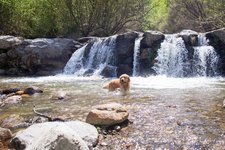
Thanks to its excellent water quality, Lake Molveno is home to numerous species of fish
Image gallery: Lake Molveno


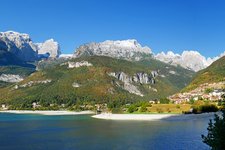
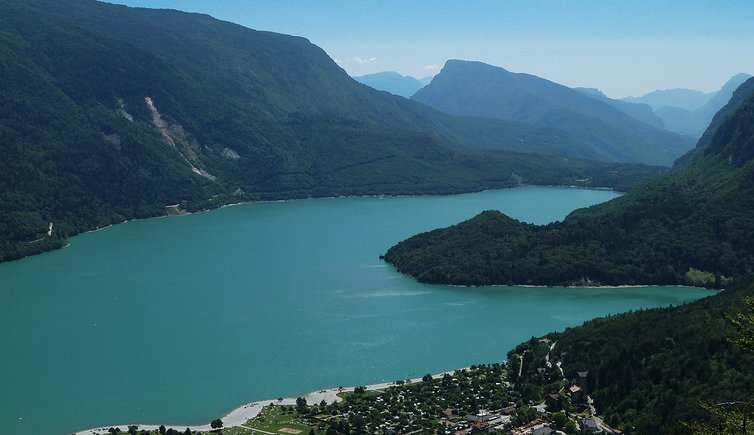
With an average depth of 47 metres and a maximal depth of 124 metres, Lake Molveno is the deepest lake in Trentino. It stretches 3.3 sq km, spans 4.4 km in length and 1.5 km in width and is therefore the biggest natural alpine lake above 800 m a.s.l.
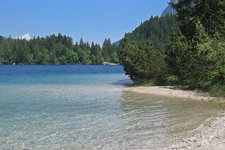
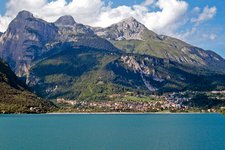
The water of this enchanting lake reflects the impressive surrounding mountains and strikes visitors with its shades of green and blue. Also poet Antonio Fogazzaro was amazed by its beauty and described it as an "incredibly pure jewel in a treasure chest". Its clean and crystal-clear water comes from the surrounding mountains and is a natural habitat for different freshwater fish species like perches, marble trouts, carps, tenches and Arctic chars. If you are lucky enough, you can even spot different wild animals, such as hares, chamois and roe deer.
Lake Molveno owes its name to the eponymous hamlet overlooking its shores. This marvellous place is nestled in the Brenta Dolomites and on the slopes of the Paganella massif and a true paradise for fishing and scuba diving enthusiasts. Thanks to the "Ora del Garda" wind constantly blowing from March to October, it also offers the perfect conditions for a sailing boat tour. The numerous beaches on the shores around the lake are an ideal place to relax and take a break from everyday life.
In 2025, the Guida Blu, a guide for bathing lakes from the Italian environmental protection organisation Legambiente and the Touring Club Italiano, an association founded in 1894 to deal with tourism issues in the country, once again awarded the municipality of Molveno and its lake the prestigious ‘Cinque Vele’ award and the title of ‘Most Beautiful Lake in Italy’. The village and its lake are awarded this prestigious award for the 10th year in a row. It officially praises the water quality, the beaches on the shore, the facilities, the safety and the commitment the municipality devotes to the environment and to biodiversity.